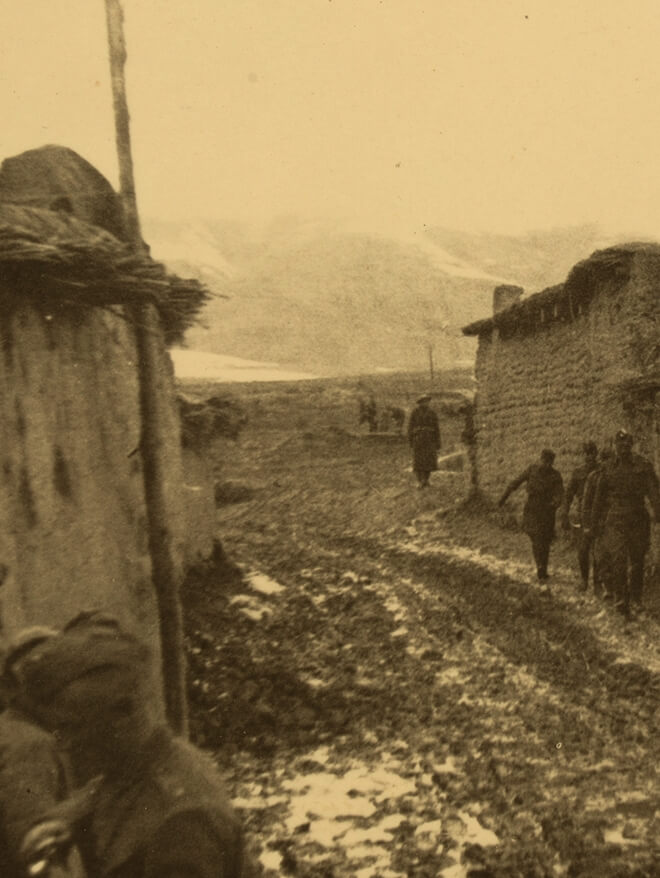
From Central Asian Archives
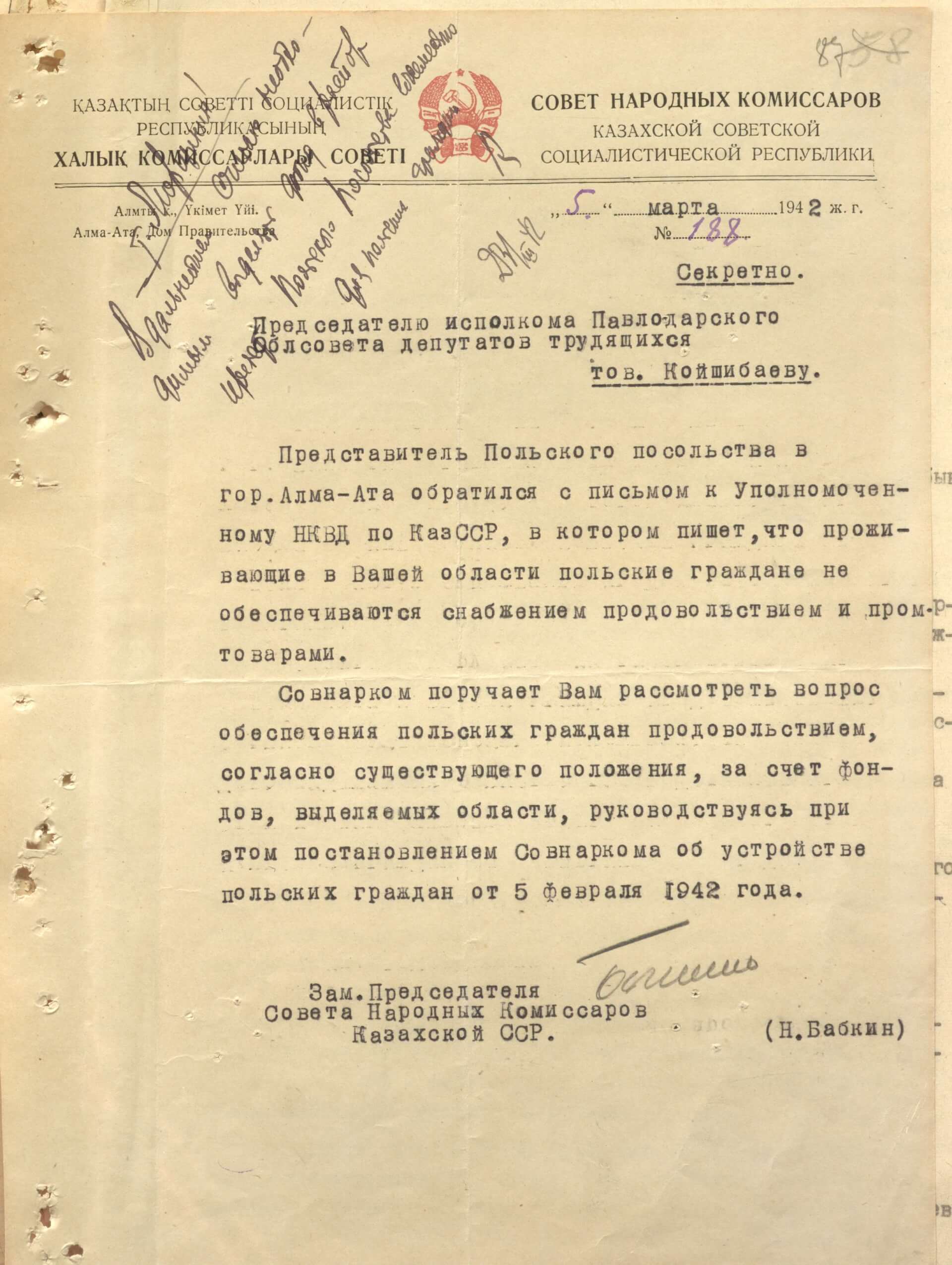
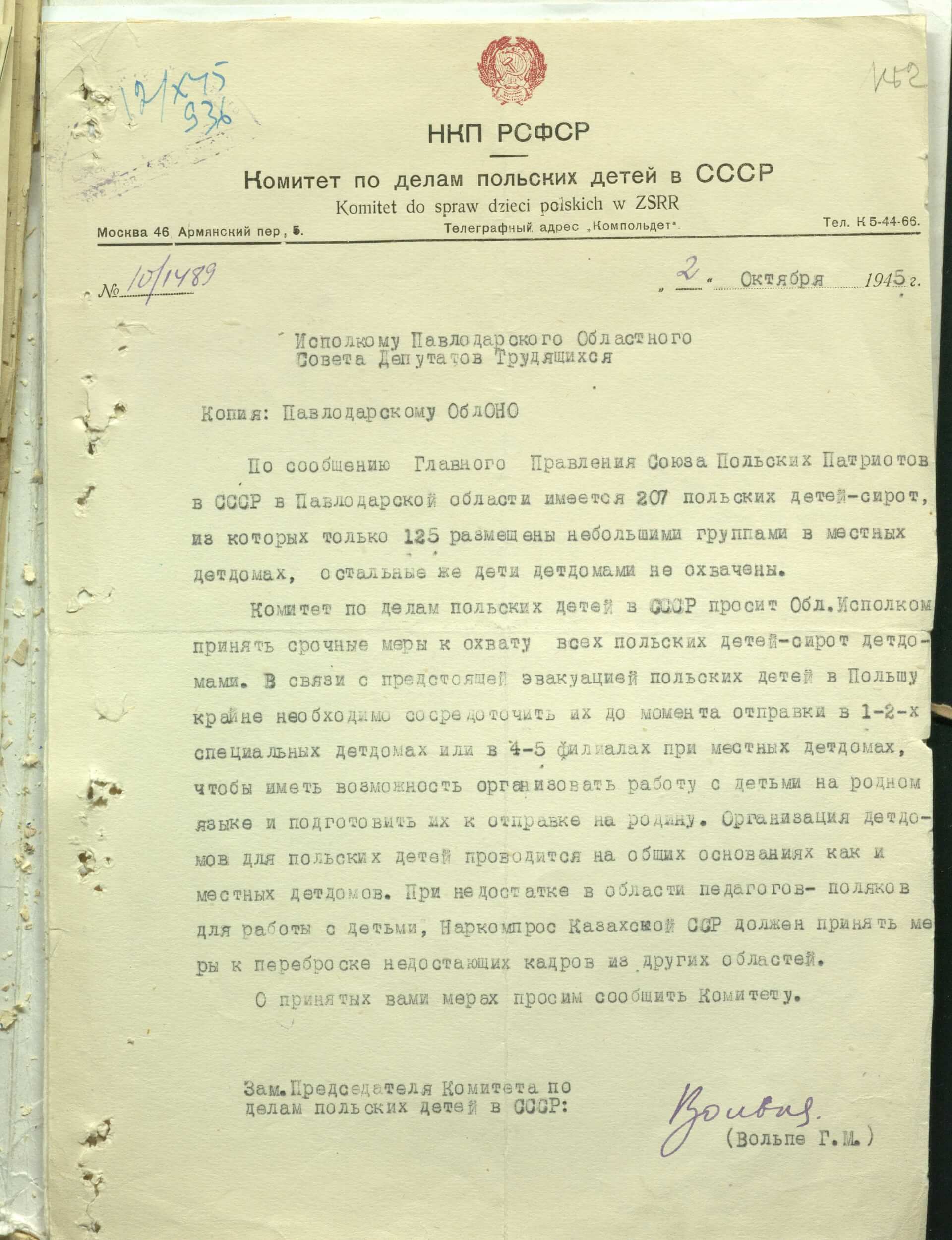
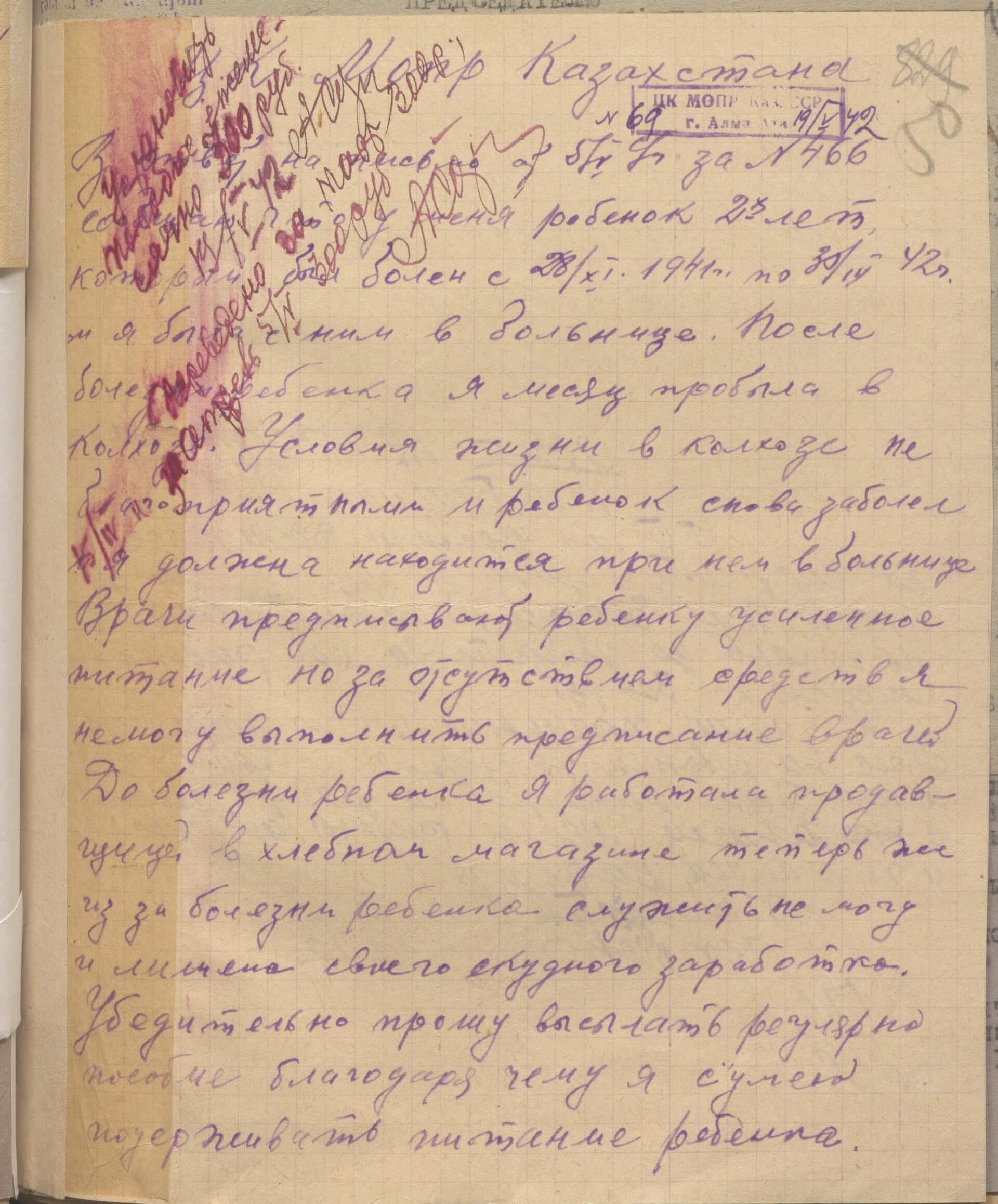
About the Project
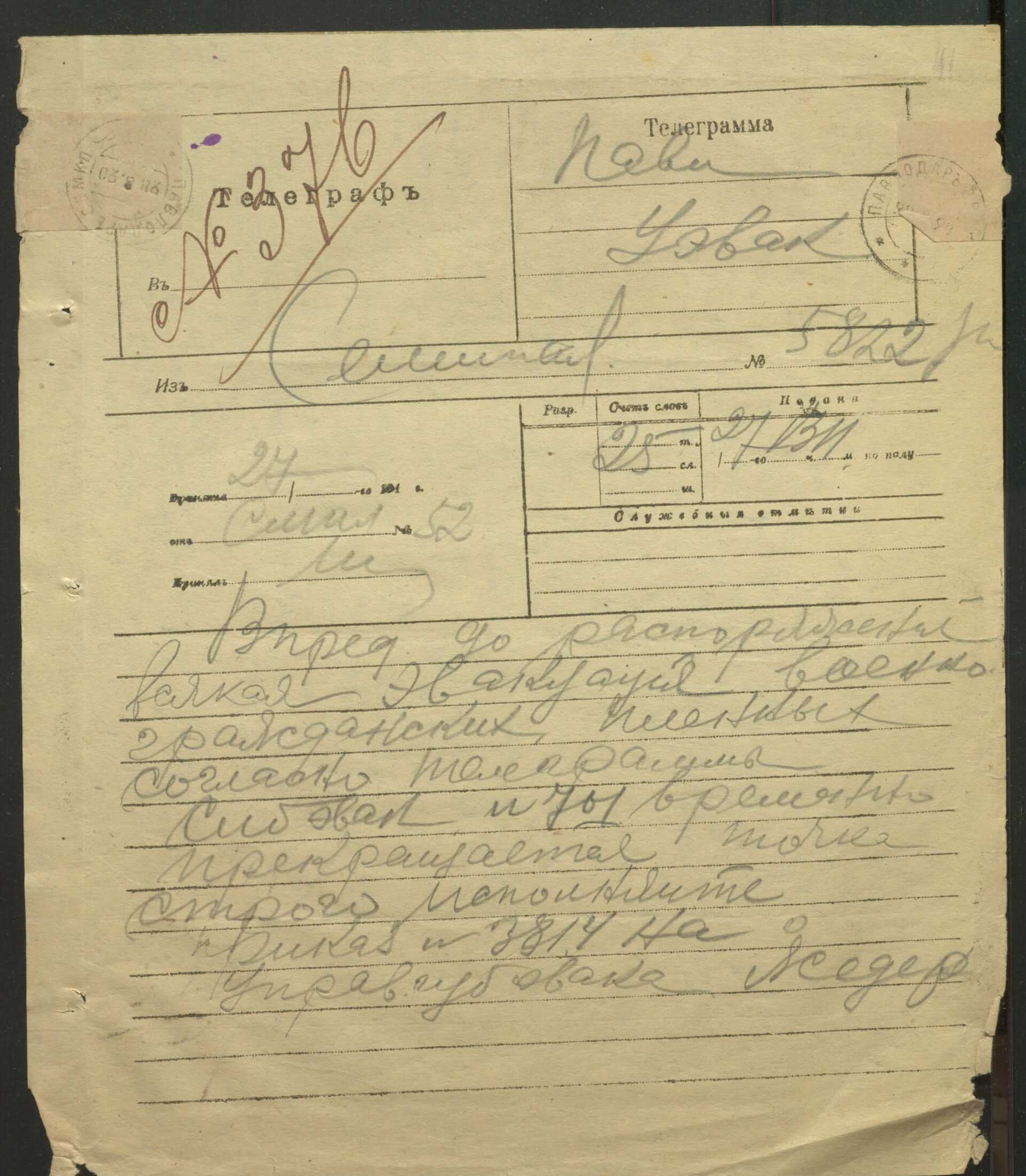
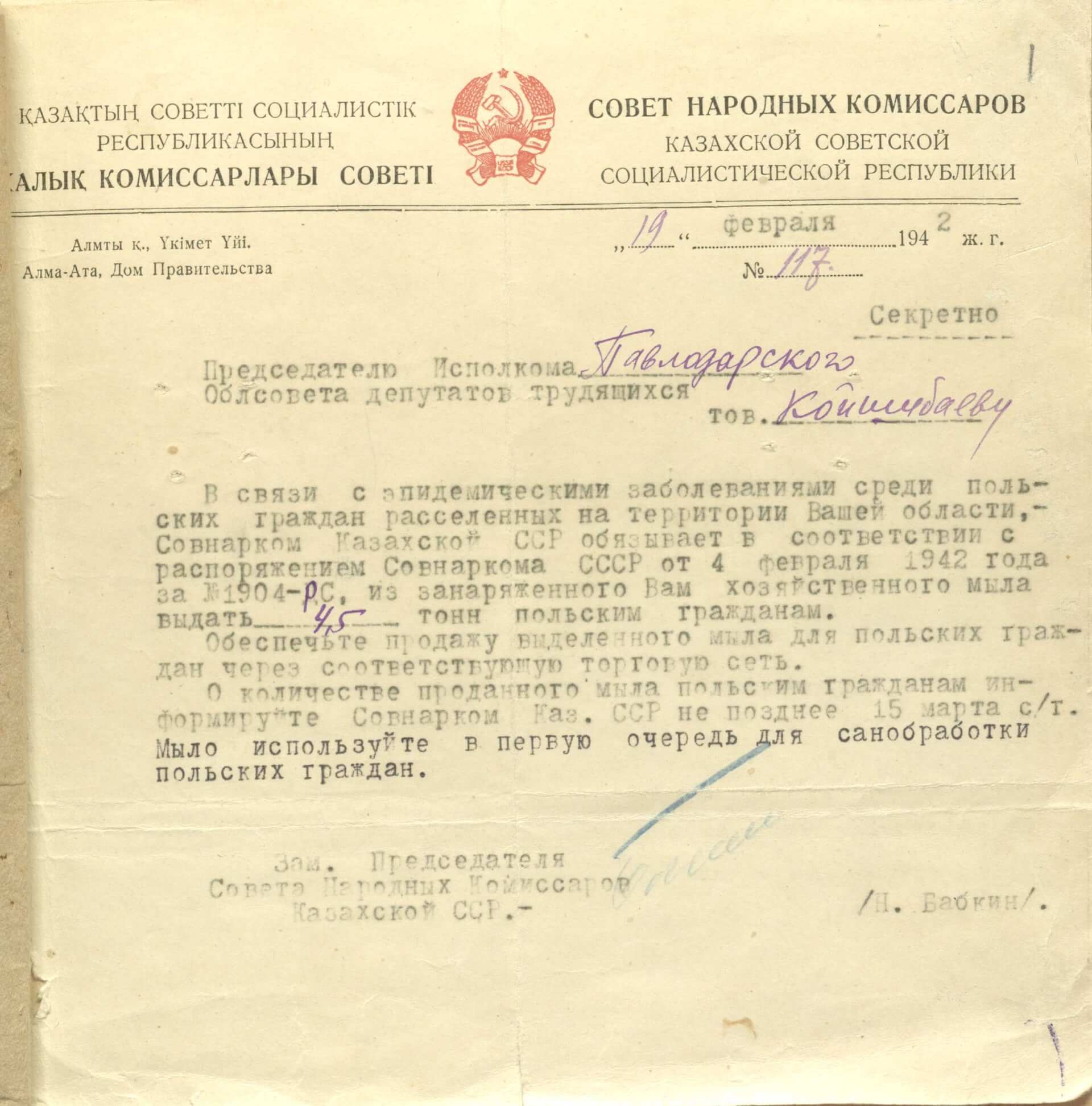
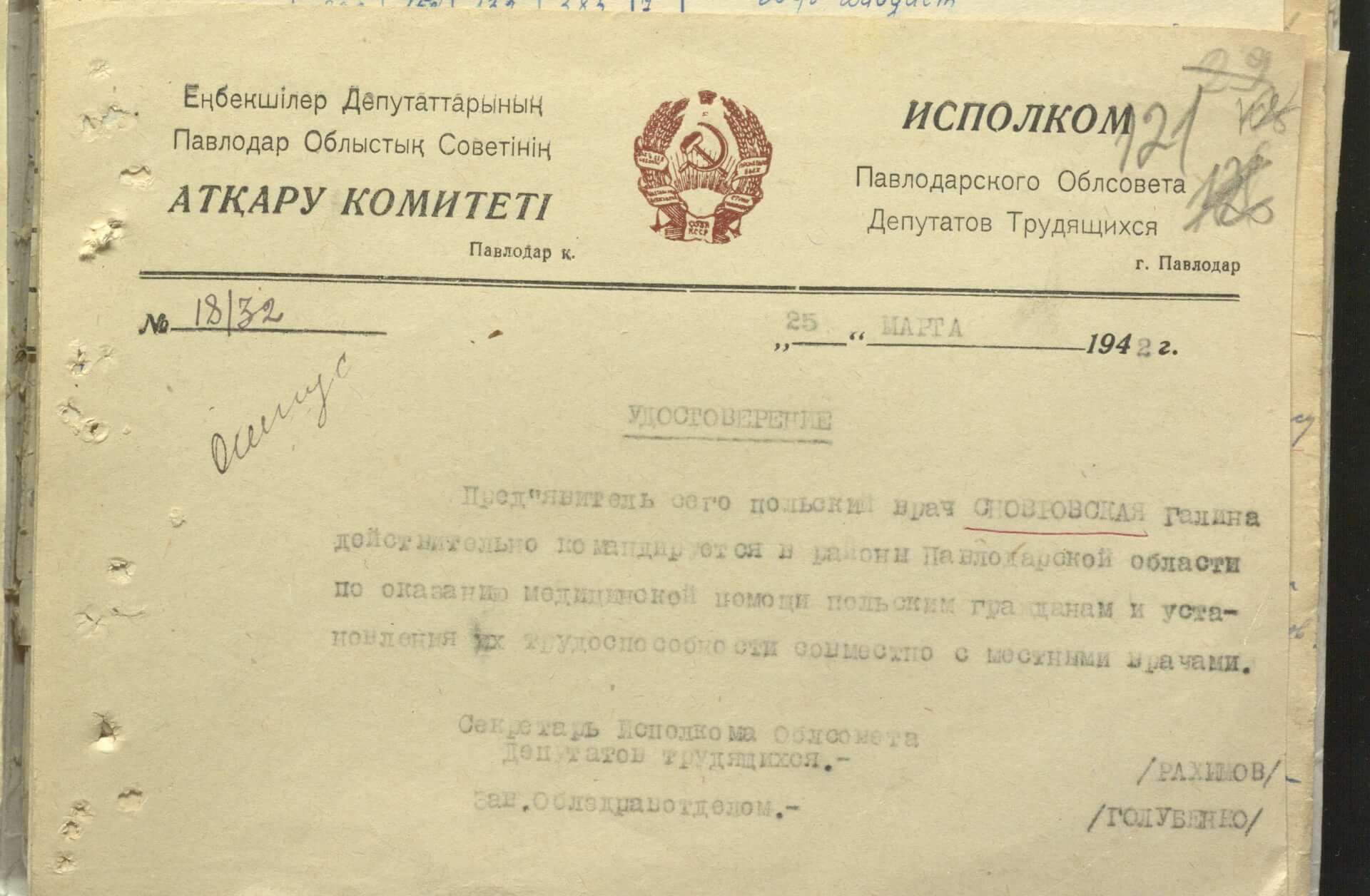
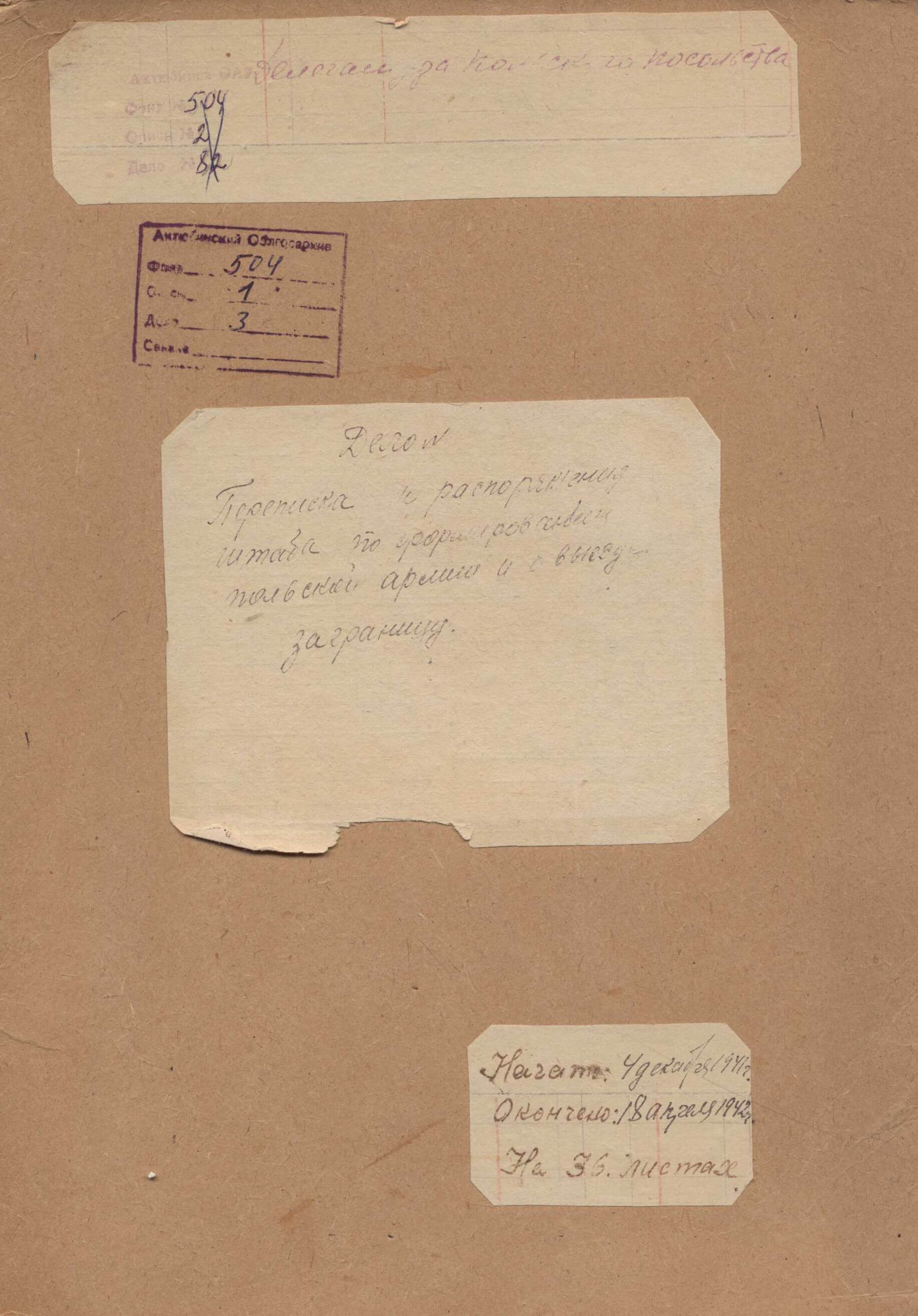
Tracing one’s ancestors has become increasingly easy thanks to the Internet. Parish records and historical documents are now often accessible online, reducing — and sometimes even eliminating— the need for long journeys and laborious archival research. Still, not everything can be found on the web, and archives continue to hold countless undiscovered treasures.
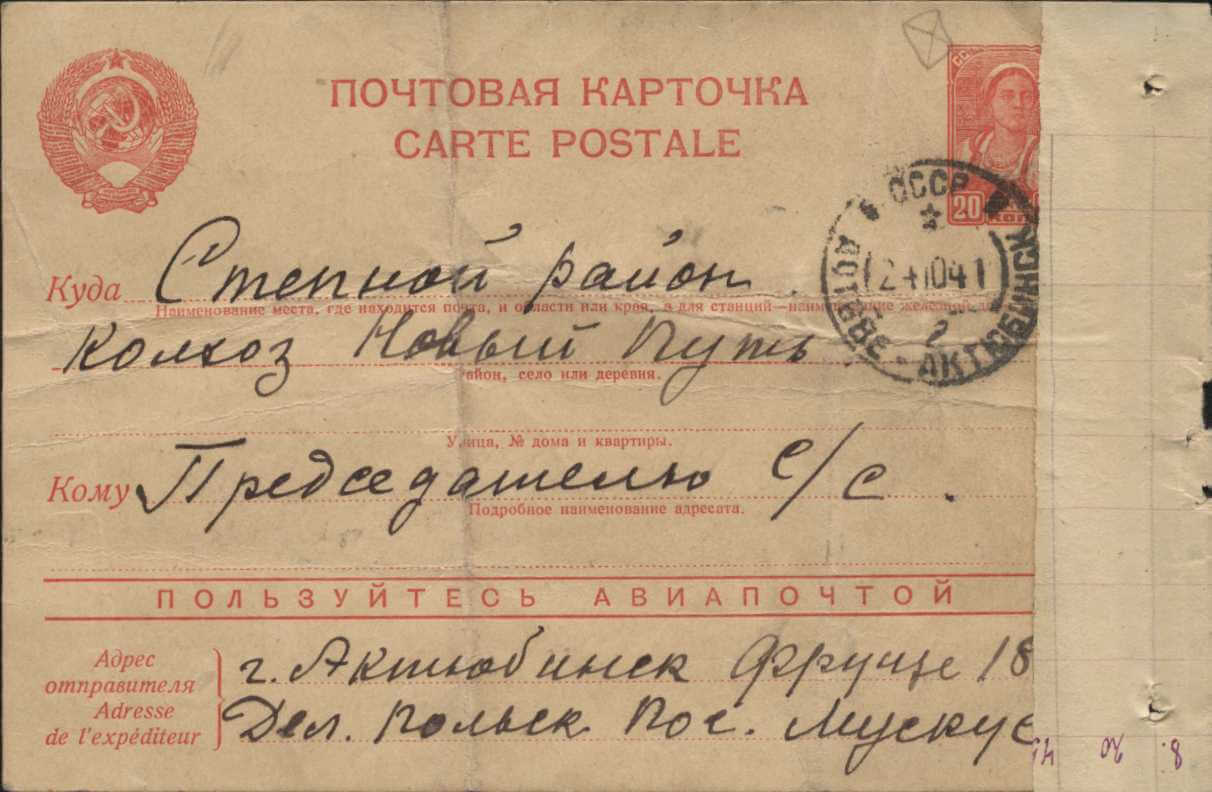
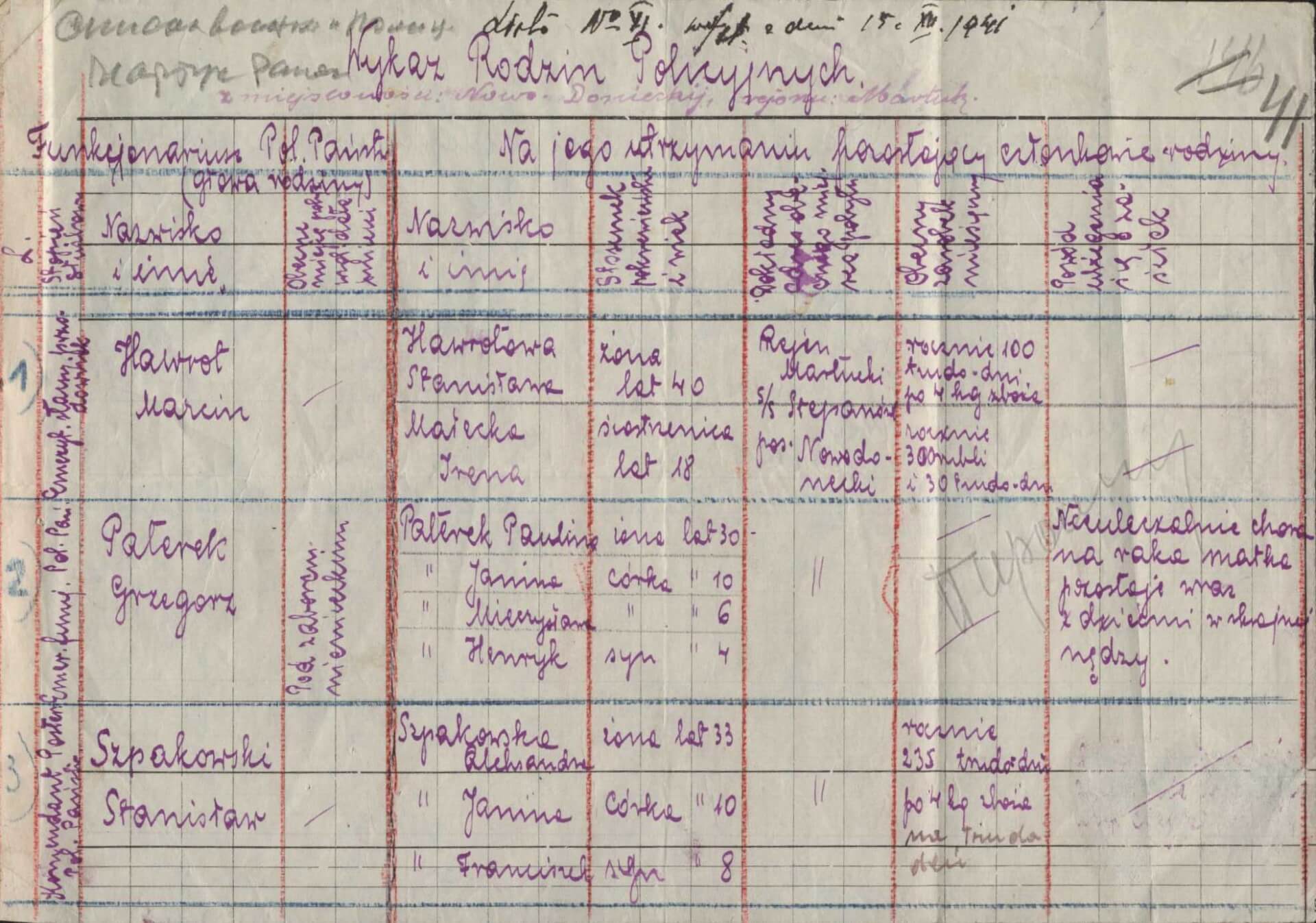
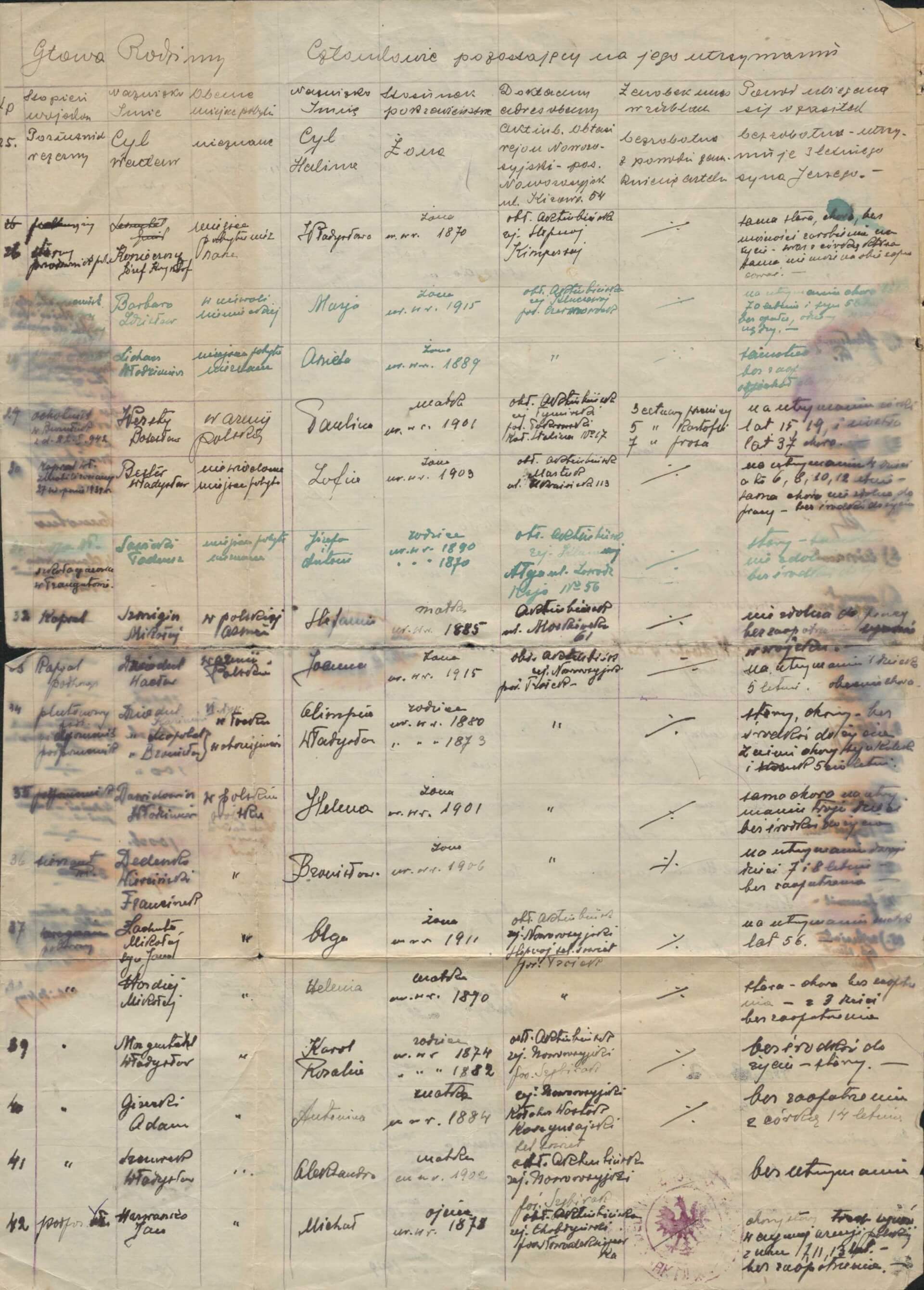
We present archival materials from Central Asia - tangible evidence of the lasting presence of Poles and Polish citizens in these distant regions. Our advanced, AI-assisted search engine makes it easier to explore both people and places.
The Idea
The strengthening of cooperation between Polish institutions and the state archives of Central Asian countries emerged as a consequence of Russia’s aggression against Ukraine. With access to Russian archives now closed, researchers have turned their attention to other repositories of Soviet-era documents — located in the now - independent Central Asian states that were once part of the Soviet Union.
Initiated by the Sybir Memorial Museum and the Museum of the Second World War, and carried out in cooperation with other Polish and Central Asian institutions, the Polish–Kazakh, Polish–Uzbek, and Polish–Kyrgyz Historical Commissions were established. Joint research projects have resulted in the acquisition of hundreds of documents concerning Poles and Polish citizens.
Poles in Central Asia
Poles who fought to preserve – and later to regain – their independence were often forcibly conscripted into the Russian army.
Some were sent south to fight across the Kazakh steppes, as part of military campaigns waged by the Tsarist Empire since the early 18th century. From the mid-19th century onward, many arrived as civilian exiles, and in some cases, as voluntary settlers.
Although their stay far from home was largely involuntary, they did not remain indifferent to the unfamiliar landscapes or to the local communities.
Their presence left a lasting mark on the region’s culture, infrastructure, craftsmanship, and medicine – as evidenced by numerous archival records.
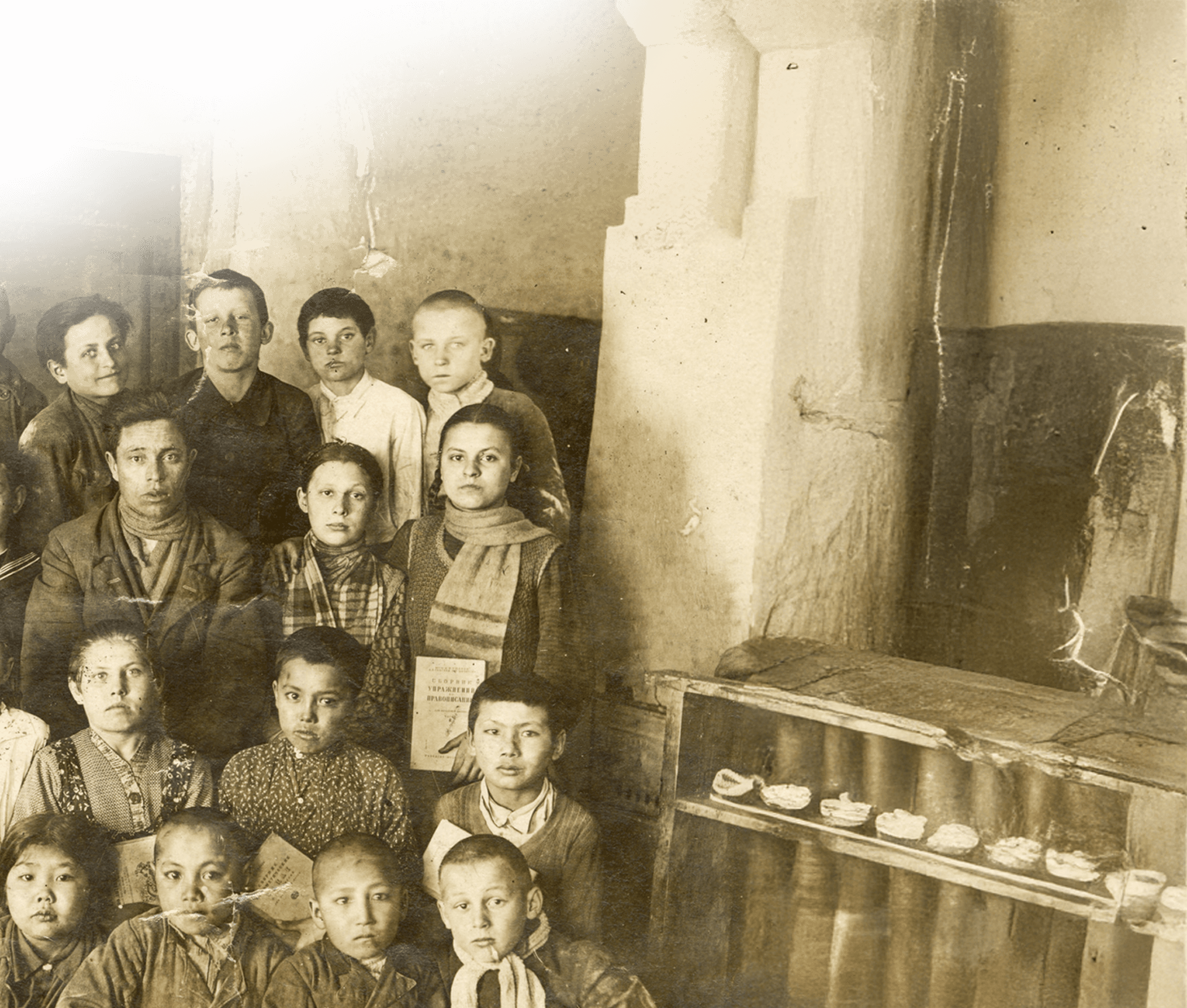
The Soviet Period
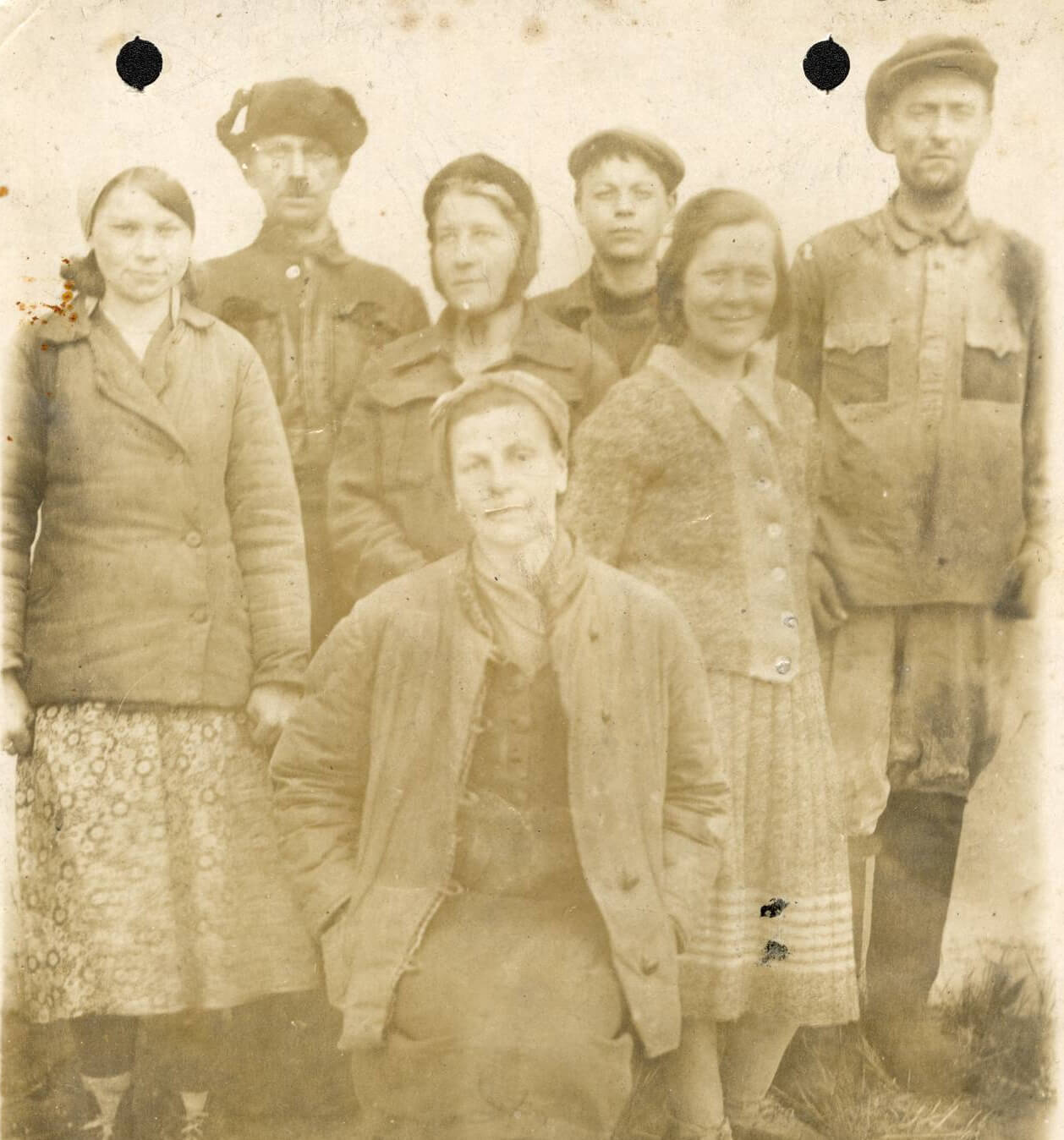
During the Soviet era, the Central Asian territories incorporated into the USSR became sites of mass, forced resettlement of people deemed hostile — or even merely unsympathetic — by the communist authorities.
Tens of thousands of Poles and Polish citizens were sent there: first deported from Soviet Ukraine in 1936, and later from the annexed eastern territories of the Second Polish Republic between 1940 and 1941.
The German invasion of the Soviet Union in 1941, followed shortly afterward by the Soviet amnesty for Poles held in labor camps and workplaces across Siberia and northern European Russia, triggered a massive southward movement of the Polish population in search of a milder climate.
The Polish army formed in the USSR — known as Anders’ Army — also established its structures in these regions. Traces of these events can still be found in local archival collections.